Source cotton labor protection mittens for Gardening Cleaning Pet Care
Compare 30 listings of cotton labor protection mittens with varying sizes, thickness, and customization options. Buyers can evaluate specifications for gardening, cleaning, and pet care applications from verified suppliers.
Key considerations
Products List




Comprehensive Sourcing Guide
Strategic Sourcing Guide for Cotton Labor Protection Mittens
Understanding Product Specifications and Material Variations
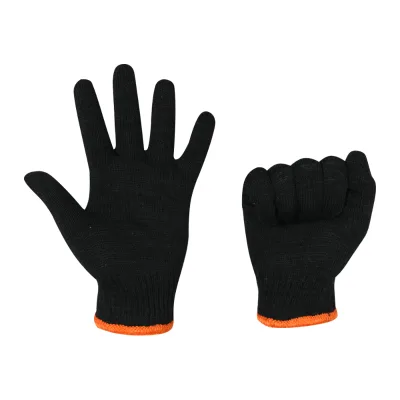
When sourcing cotton labor protection mittens, buyers must first navigate a complex landscape of material compositions and physical specifications that vary significantly across suppliers. The core keyword implies a primary construction of cotton, yet the supplied data reveals that "cotton" often serves as the base fabric while the outer material or coating may differ to enhance performance. In the observed product range, specific listings identify the outer material as Nylon or Nitrile, indicating that these mittens may be hybrid constructions designed for specific industrial environments. The presence of a Polyurethane coating texture in certain models suggests a dual-purpose design where the cotton provides breathability while the coating offers chemical or abrasion resistance.
Physical dimensions are equally critical for procurement decisions. The observed market data indicates a wide variance in sizing, with specific models available in Small (S) and Medium (M) configurations. Length specifications are not uniform; some products are categorized as "Short" while others are "Medium," and thickness varies from "Flimsy" to "Thickened." This inconsistency requires buyers to define precise operational needs before placing orders. For instance, a "Thickened" cotton mitten with a "Tight" cuff is likely intended for heavy-duty tasks requiring wrist security, whereas a "Flimsy" version with a "Loose" cuff may be better suited for light assembly or general household electrical appliance maintenance. The standard product model numbers, such as WTT-WG-19, G49, and K002, serve as unique identifiers that help distinguish between these varying specifications, though buyers should verify that the model number corresponds to the exact material and size required for their specific application.
Functional Attributes and Performance Capabilities
The functional requirements for labor protection mittens extend beyond simple hand coverage. The observed product attributes highlight a robust set of performance claims, including Anti-scratch, Heat Insulation, and Anti-Static properties. These features are particularly relevant for industries involving construction, machinery manufacturing, and the handling of household electrical appliances. The Anti-scratch function is essential for tasks involving rough materials, while Heat Insulation suggests suitability for environments with thermal hazards. The Anti-Static attribute is a critical safety feature for electronics manufacturing or environments where static discharge could damage sensitive components or ignite flammable substances.
Usage scenarios are diverse, spanning Gardening, Cleaning, Pet Care, and General Purpose applications. The inclusion of "Pet Care" and "Gardening" alongside heavy industrial uses like "Construction/Machinery Manufacturing" indicates that these mittens are versatile tools. However, the distinction between "Disposable" and "Non-Disposable" is a vital differentiator. The data confirms that the specific cotton labor protection mittens in this context are Non-Disposable, implying a durability that supports repeated use and washing. This characteristic influences the total cost of ownership, as these mittens are designed for longevity rather than single-use scenarios. Buyers must ensure that the selected model's functional attributes align with the specific hazards of their workplace. For example, a mitten with a "Tight" cuff is preferable for tasks where debris or liquids might enter the glove, while a "Loose" cuff might be acceptable for dry, low-risk environments.
Compliance, Standards, and Certification Verification
In the realm of labor protection, compliance with safety standards is non-negotiable. The supplied data references specific numerical standards, including values of 6, 7, 8, 9, 10, and 11, as well as dimensional standards like 672738CM and weight ranges of 600g-900g. It is crucial for buyers to understand that these numbers likely represent specific industry classifications, weight limits, or packaging dimensions rather than universal safety certifications. Without explicit certification names (such as ANSI, EN, or ISO) in the provided facts, buyers cannot assume that every listed product meets a specific international safety standard.
Instead, procurement teams must treat these numerical values as observation points to verify with the supplier. A standard of "672738CM" likely refers to the carton dimensions for shipping, while "600g-900g" may indicate the weight per pair or per carton. The presence of a "prod_standard" field suggests that manufacturers adhere to internal or regional benchmarks, but the exact nature of these benchmarks requires direct inquiry. Buyers should request detailed test reports and certification documents to confirm that the Anti-scratch, Heat Insulation, and Anti-Static claims are backed by independent laboratory testing. Relying solely on the product listing's mention of these standards without verification poses a significant risk. The "Place of Origin" is identified as Jiangsu, China, a major manufacturing hub, but origin alone does not guarantee compliance. Verification of the specific safety standards applicable to the buyer's region and industry is a mandatory step in the evaluation process.
Cost Drivers and Pricing Structure Analysis
The pricing structure for cotton labor protection mittens is influenced by several dynamic factors, including material composition, customization levels, and order volume. The observed price range in the market spans from $0.05 to $1500 USD, a variance that reflects the difference between single-unit samples and bulk industrial orders. The lower end of this spectrum likely corresponds to basic, non-coated cotton gloves, while the higher end may include specialized models with advanced coatings, custom branding, or large bulk shipments.
Minimum Order Quantity (MOQ) is a significant cost driver. The data shows an MOQ range from 1 to 120,000 units, with specific listings citing 600, 1200, and 1200 pairs as common thresholds. These variations suggest that suppliers offer tiered pricing structures where larger orders yield significant per-unit cost reductions. The "Supply Method" is noted as "Directly Supply," which implies that buyers may be dealing directly with manufacturers rather than intermediaries, potentially reducing costs. However, payment terms such as "100% Payment Before Shipping by Tt" can impact cash flow and financial risk. Buyers should negotiate payment terms based on order size and supplier reputation. Additionally, the "Delivery Time" of 25 to 30 days is a critical factor in total cost, as delays can disrupt production schedules and incur hidden costs. The "Packing" method, often specified as "12 Pairs Per Polybag, 300 Pairs Per Carton," also affects logistics costs, as efficient packing reduces shipping volume and damage risks.
Supplier Evaluation and Operational Reliability
Evaluating suppliers for cotton labor protection mittens requires a focus on reliability, communication, and logistical capability. The "Supply Method" of "Directly Supply" is a positive indicator, suggesting a direct relationship with the manufacturing source. However, the "Delivery Time" of approximately 25 days necessitates careful planning. Buyers must assess whether this lead time aligns with their inventory requirements and whether the supplier has a track record of meeting these deadlines consistently.
The "Place of Origin" being Jiangsu, China, provides context for the supply chain but requires verification of the specific factory's capabilities. Buyers should inquire about the supplier's quality control processes, especially given the diverse functional claims of the products. The "Customization" attribute being "Available" is a key differentiator, allowing buyers to tailor products to specific brand or safety requirements. However, customization often extends lead times and increases costs. The "Application Type" is listed as "General Purpose," but buyers should verify if the supplier has experience with more specialized applications like "Construction/Machinery Manufacturing."
A comparison of key supplier attributes can help in decision-making:
| Attribute | Observation | Procurement Implication |
|---|---|---|
| Origin | Jiangsu, China | Major manufacturing hub; verify factory audits. |
| Lead Time | 25-30 Days | Plan inventory well in advance; monitor production status. |
| Payment | 100% Before Shipping | High financial risk; consider escrow or letters of credit. |
| Customization | Available | Enables branding but may increase MOQ and cost. |
| MOQ | 600 - 12,000+ Pairs | Flexibility varies; negotiate based on volume. |
| Packing | Polybag + Carton | Standardized; verify carton dimensions for shipping. |
Quality Control and Long-Term Procurement Strategy
Ensuring consistent quality in cotton labor protection mittens is essential for worker safety and operational efficiency. The "Non-Disposable" nature of these mittens means they must withstand repeated use and washing without degrading. Quality control should focus on the integrity of the cotton weave, the adhesion of any coatings (Nylon, Nitrile, or Polyurethane), and the durability of the cuff tightness. The "Anti-scratch" and "Heat Insulation" claims must be validated through physical testing, as these attributes directly impact worker safety.
For long-term procurement, buyers should establish a relationship with suppliers that offers stability and scalability. The "Directly Supply" model suggests potential for volume discounts, but it also requires a robust contract that defines quality standards, delivery schedules, and dispute resolution mechanisms. The "Packing" specifications, such as "12 Pairs One Dozen," should be standardized to ensure ease of inventory management. Buyers should also consider the environmental impact of the materials used, particularly if the mittens are coated with synthetic materials like Nitrile or Polyurethane.
Finally, the "Feature" of "Anti Slip" is a critical quality indicator for mittens used in handling tools or machinery. This feature should be verified through grip testing. By focusing on these technical and operational details, buyers can mitigate risks and ensure that the cotton labor protection mittens they procure meet the rigorous demands of their specific industrial applications. The combination of clear specifications, verified standards, and reliable supplier relationships forms the foundation of a successful procurement strategy for these essential safety tools.
FAQs
What materials are used for cotton labor protection mittens?
These mittens typically use cotton as the base fabric with outer materials like nylon or nitrile for enhanced durability. Some models feature a polyurethane coating texture to provide anti-scratch and heat insulation properties for industrial tasks.
Which sizes are available for cotton labor protection mittens?
Available sizes include Small and Medium configurations to fit different hand dimensions. Buyers should verify specific model numbers like WTT-WG-19 or G49 to ensure the correct length and thickness match their operational requirements.
Can these mittens be customized for specific brand needs?
Yes, customization is available for buyers seeking tailored specifications or branding. This option allows for adjustments in material composition or packaging, though it may impact the minimum order quantity and lead time for production.
How long is the delivery time for cotton labor protection mittens?
The standard delivery time ranges from 25 to 30 days from the order date. This lead time applies to orders placed with manufacturers in Jiangsu, China, and buyers should plan inventory accordingly to avoid production delays.
What is the minimum order quantity for cotton labor protection mittens?
Minimum order quantities vary significantly, ranging from 1 pair for samples to 12,000 pairs for bulk industrial orders. Common thresholds include 600 pairs or 1,200 pairs depending on the specific supplier and model selected.
What functions do these mittens provide for industrial use?
These mittens offer anti-scratch, heat insulation, and anti-static functions to protect workers in various environments. They are suitable for applications like construction, machinery manufacturing, and handling household electrical appliances where safety is critical.